Mise &
starty raket
Sleduj nadcházející i minulé starty kosmických raket v reálném čase. SpaceX, NASA, ESA, Roscosmos a desítky dalších agentur.
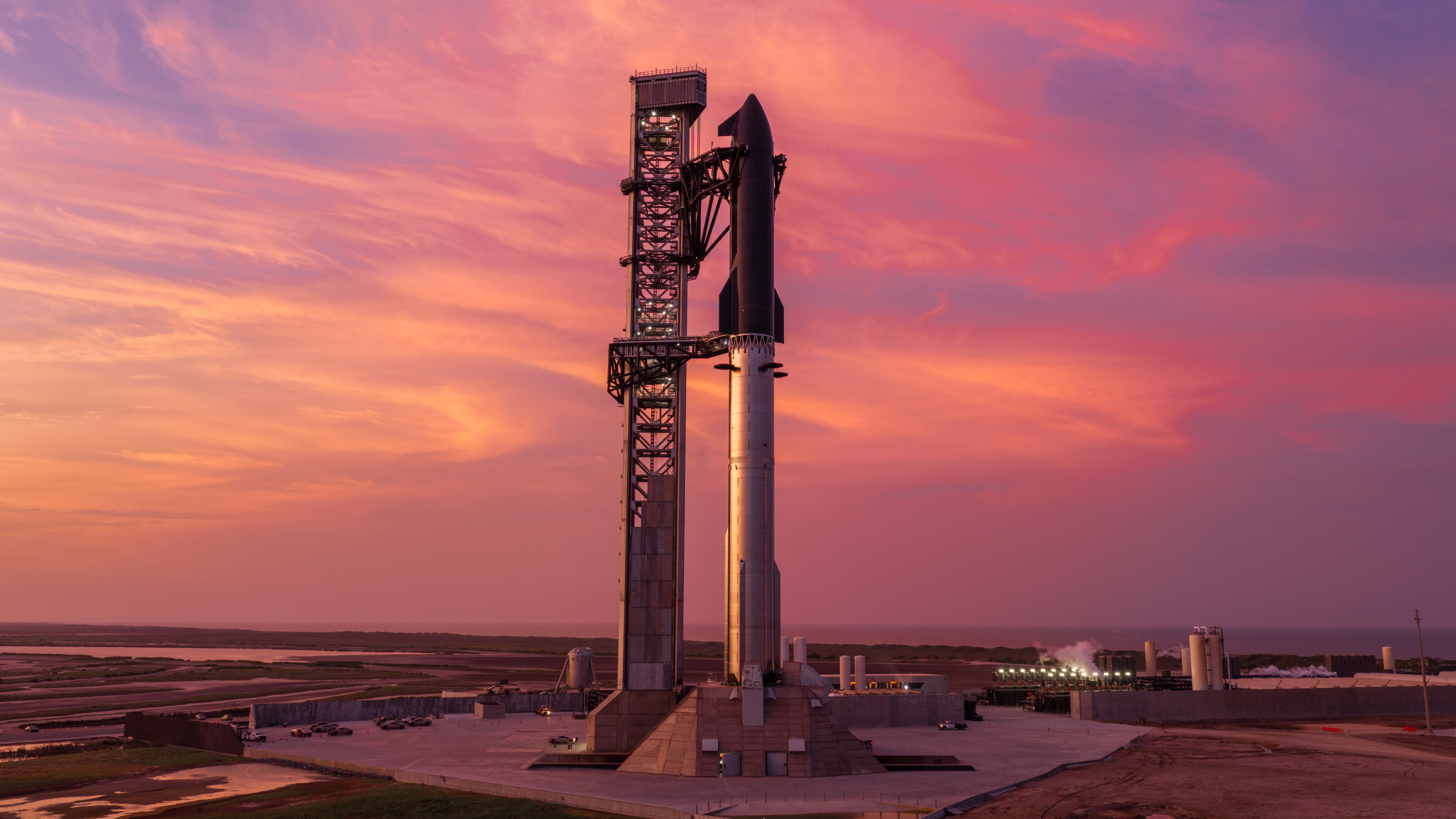
Starship | Starlink Group 31-1 (Starship Flight 14)
SpaceX Starbase, TX, USA
Nadcházející starty
Nejbližší plánované mise ze všech koutů světa
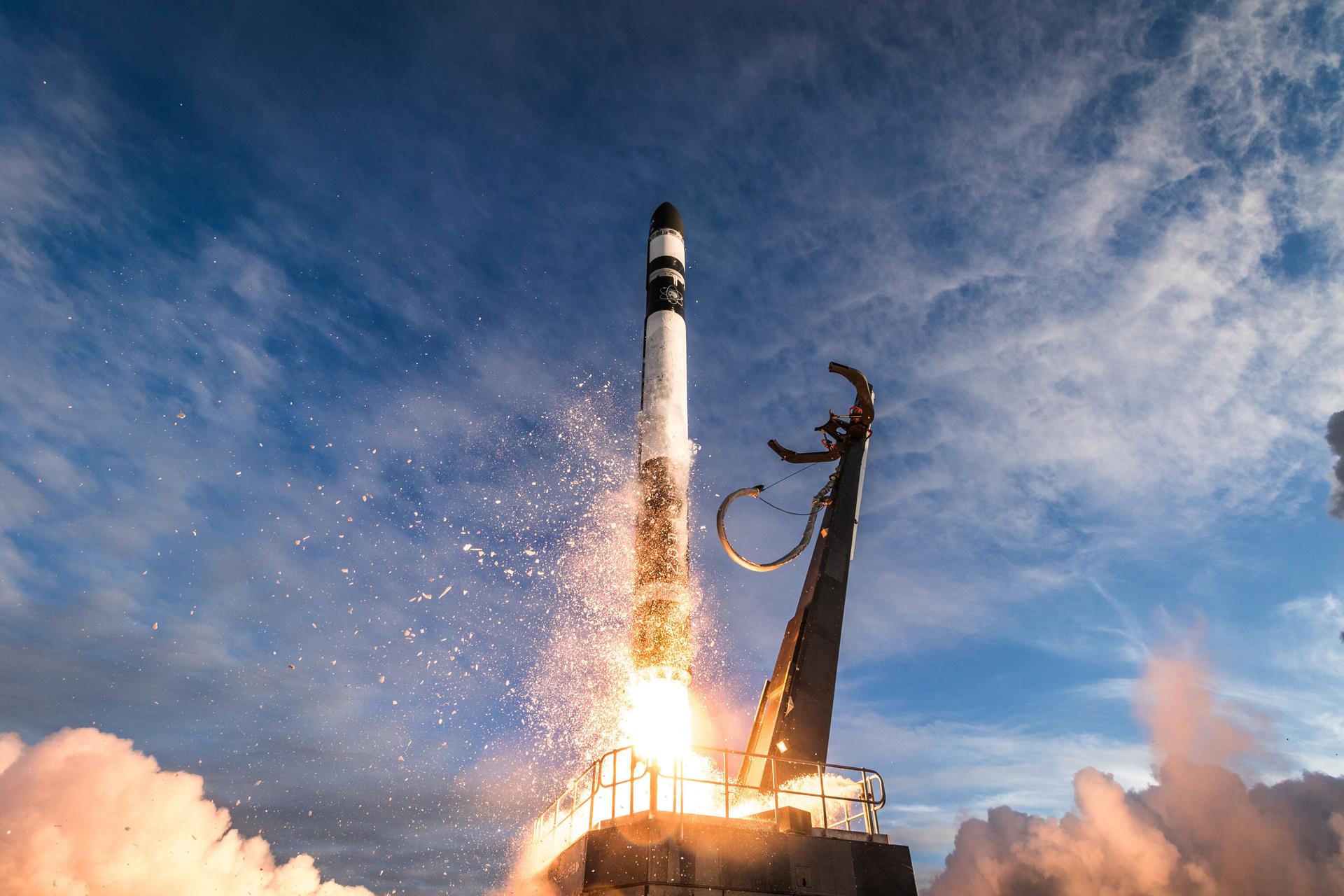

Electron | Owlright, Owlright, Owlright (StriX Launch 13)
Synthetic aperture radar satellite for Japanese Earth imaging company Synspective.
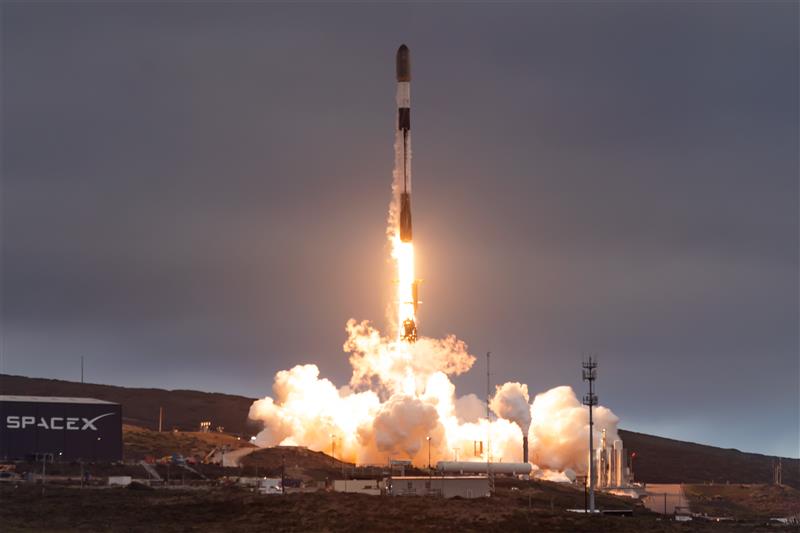

Falcon 9 Block 5 | USSF-385
A classified mission for the United States Space Force. It is possibly a batch of classified LEO satellites based on SpaceX’s Starshield satellite bus, based on locations of rocket stage drop zones being exact fits with previous Starlink Group 15 launches.
Starship | Starlink Group 31-1 (Starship Flight 14)
14th test flight of the two-stage Starship launch vehicle. 3rd flight of Starship V3 and the first Starship flight to deploy satellites (a group of Starlink satellites known as Starlink Group 31-1) into stable Low Earth Orbit. The ship is expected to fly at an altitude approximately 275 km above Earth and complete approximately 6 orbits around the planet for nearly 10 hours, with splashdown targeted in the Pacific Ocean west of Chile. The booster’s primary test objective on Flight 14 will be executing a successful launch, ascent, stage separation, boostback burn, and landing burn at an offshore landing point in the Gulf. Starship will deliver 26 Starlink V3 satellites to orbit for the first time, which aim to greatly expand the network's capacity and user speeds. Each Starlink V3 satellite will add 1 Tbps of capacity to the constellation.
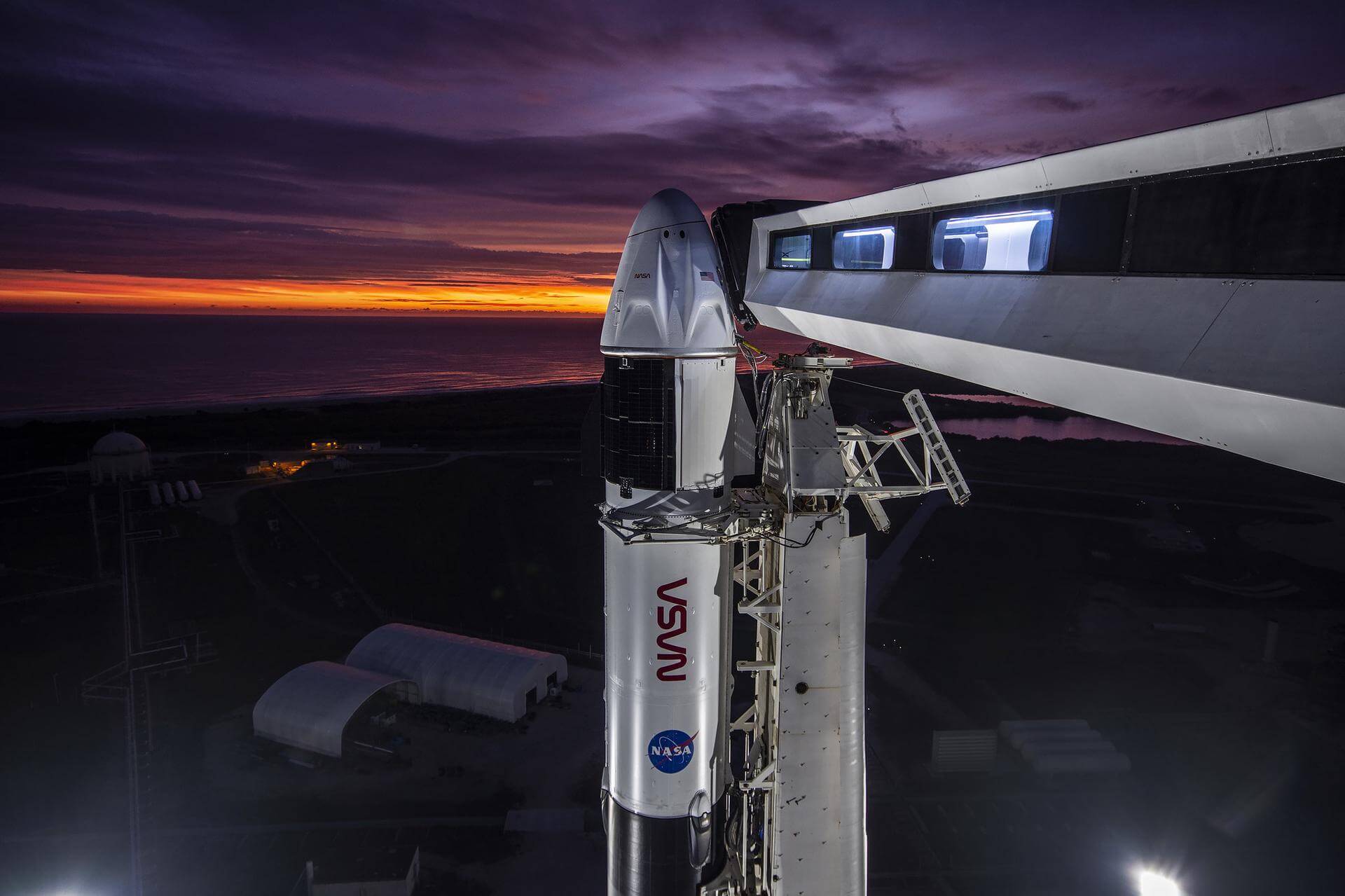
Falcon 9 Block 5 | Crew-13
SpaceX Crew-13 is the thirteenth crewed operational flight of a Crew Dragon spacecraft to the International Space Station as part of NASA's Commercial Crew Program.
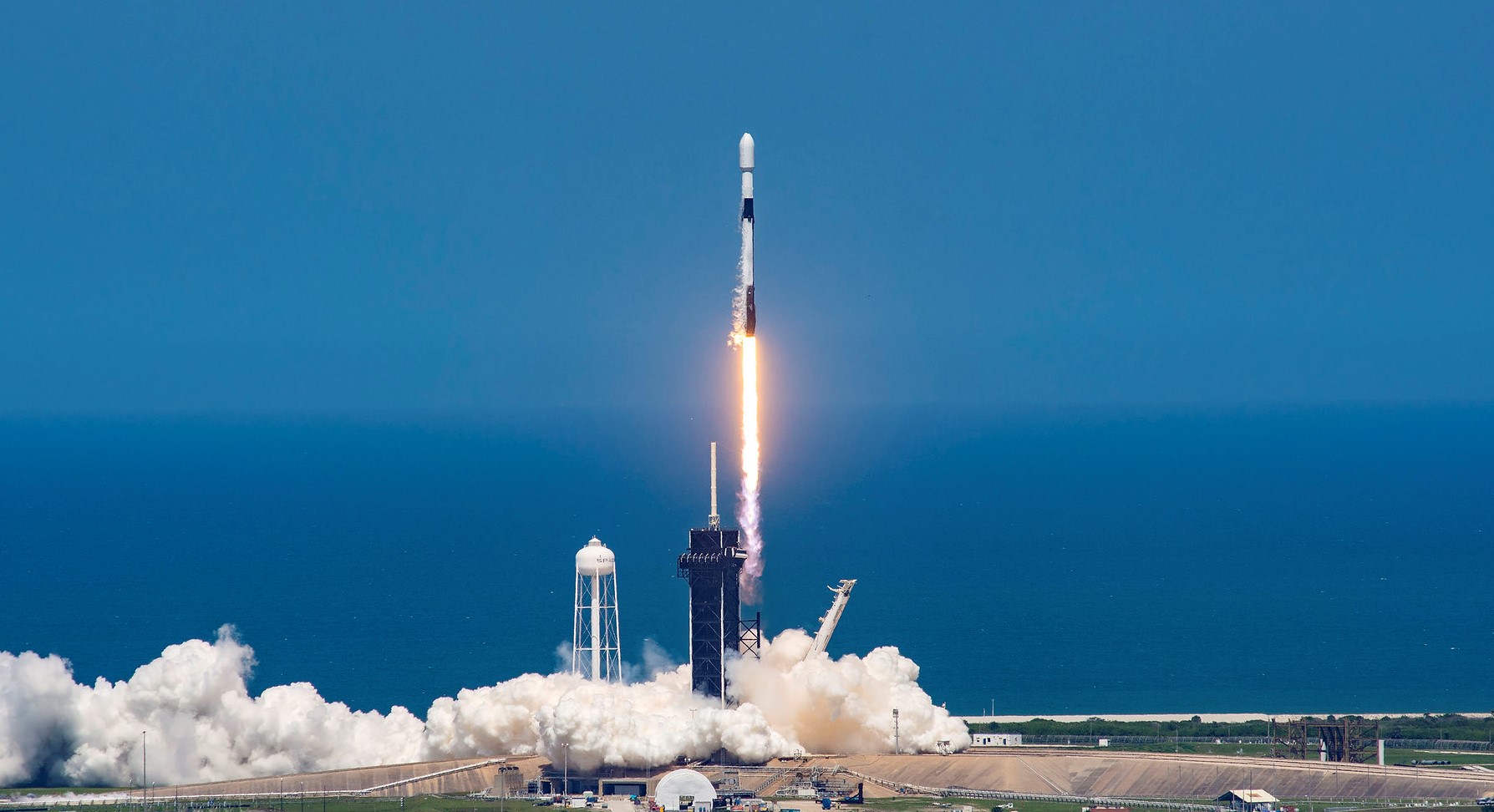
Falcon 9 Block 5 | Transporter 18 (Dedicated SSO Rideshare)
Dedicated rideshare flight to a sun-synchronous orbit with dozens of small microsatellites and nanosatellites for commercial and government customers.
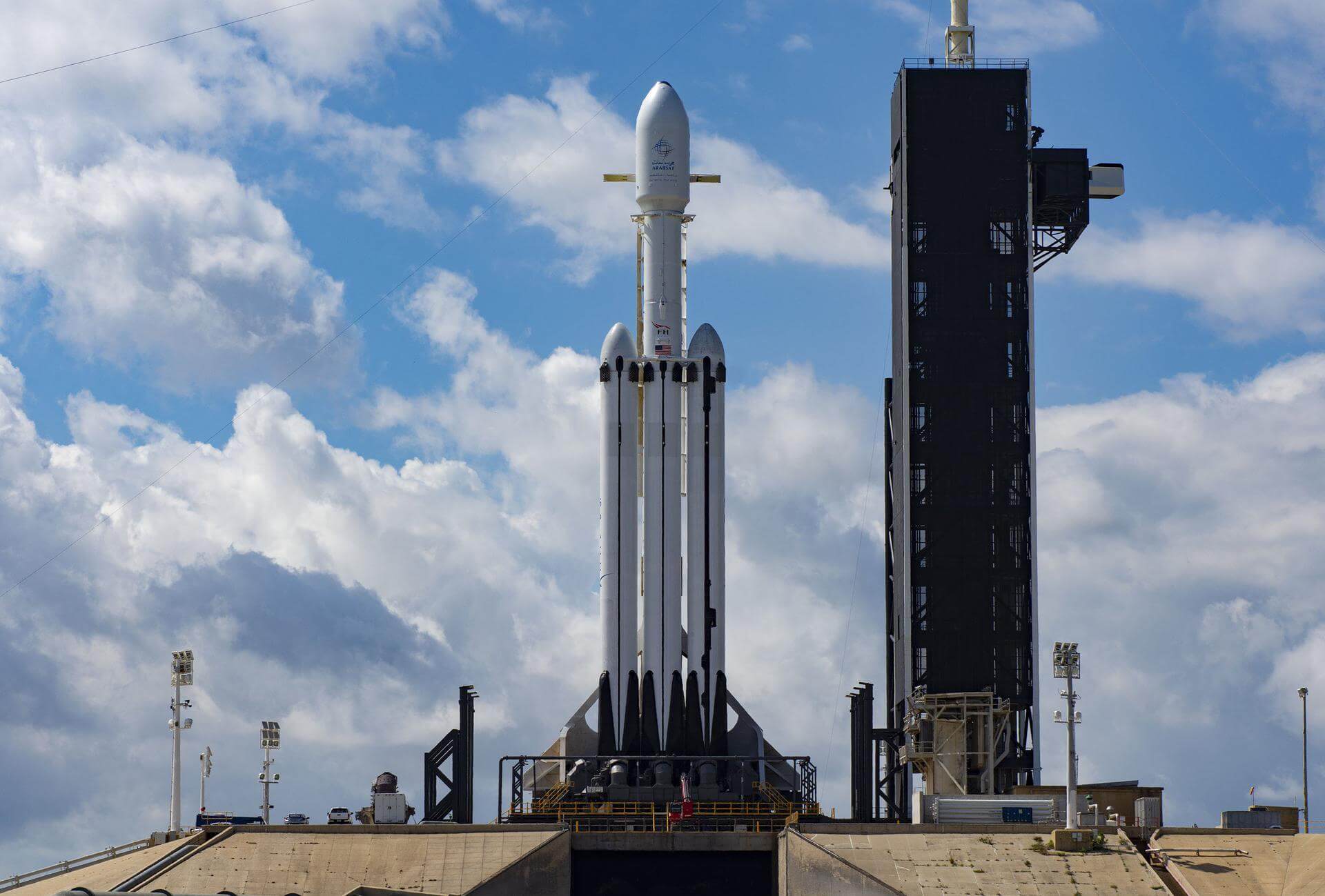
Falcon Heavy | NROL-97
Classified payload for the US National Reconnaissance Office.
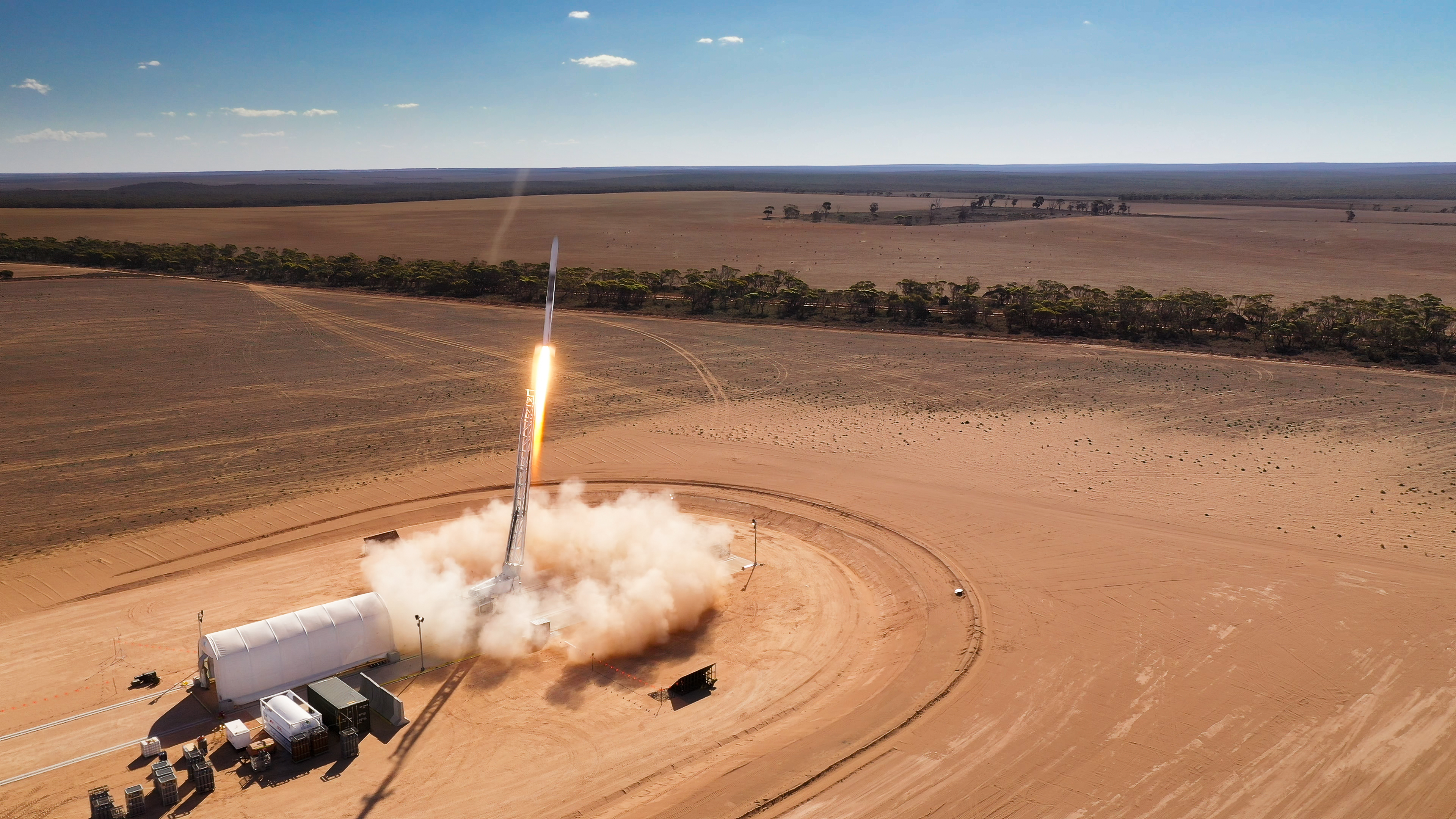

SR75 | Flight 2
Test flight of HyImpulse's SR75 sounding rocket.
Falcon 9 Block 5 | SDA Tranche 1 Transport Layer A
Tranche 1 Transport Layer A is one of six missions by the United States Space Force Space Development Agency (SDA) for the Proliferated Warfighter Space Architecture (PWSA) Tranche 1 Transport Layer constellation, which will provide assured, resilient, low-latency military data and connectivity worldwide to the full range of warfighter platforms from Low Earth Orbit satellites. The constellation will be interconnected with Optical Inter-Satellite Links (OISLs) which have significantly increased performance over existing radio frequency crosslinks. It is expected to operate over Ka band, have stereo coverage and be dynamically networked for simpler hand-offs, greater bandwidth and fault tolerance. This launch carries 21 satellites manufactured by Northrop Grumman.
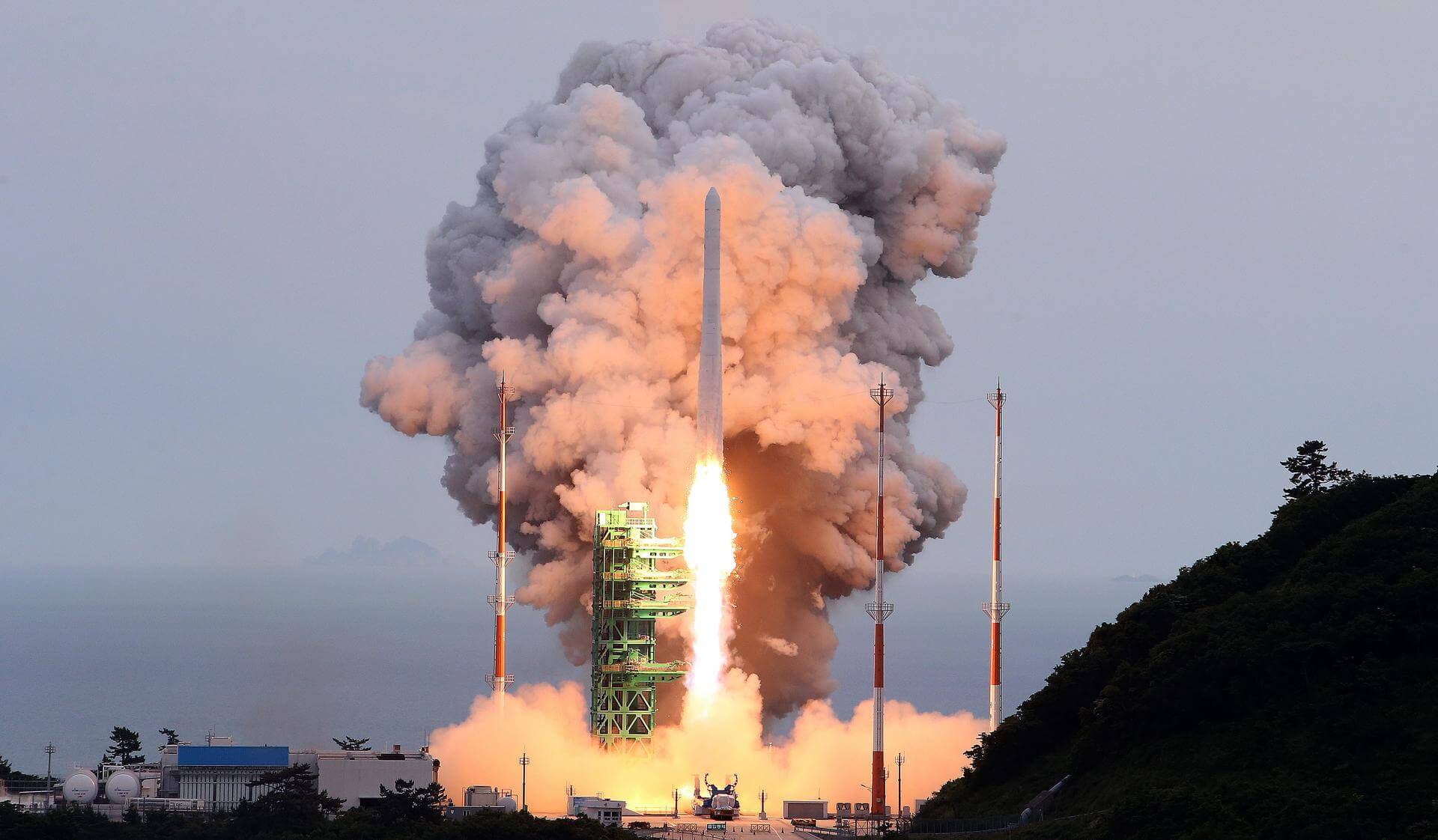

Nuri | NeonSat-2 to 6
NeonSat-2 to 6 are part of the South Korean government's Earth observation micro-satellite constellation NeonSat (New-space Earth Observation Satellite). The NeonSat constellation is the first satellite system developed by the government using a mass-production approach for precise monitoring of the Korean Peninsula.

Falcon 9 Block 5 | Starlink Group 15-25
A batch of 27 satellites for the Starlink mega-constellation - SpaceX's project for space-based Internet communication system.
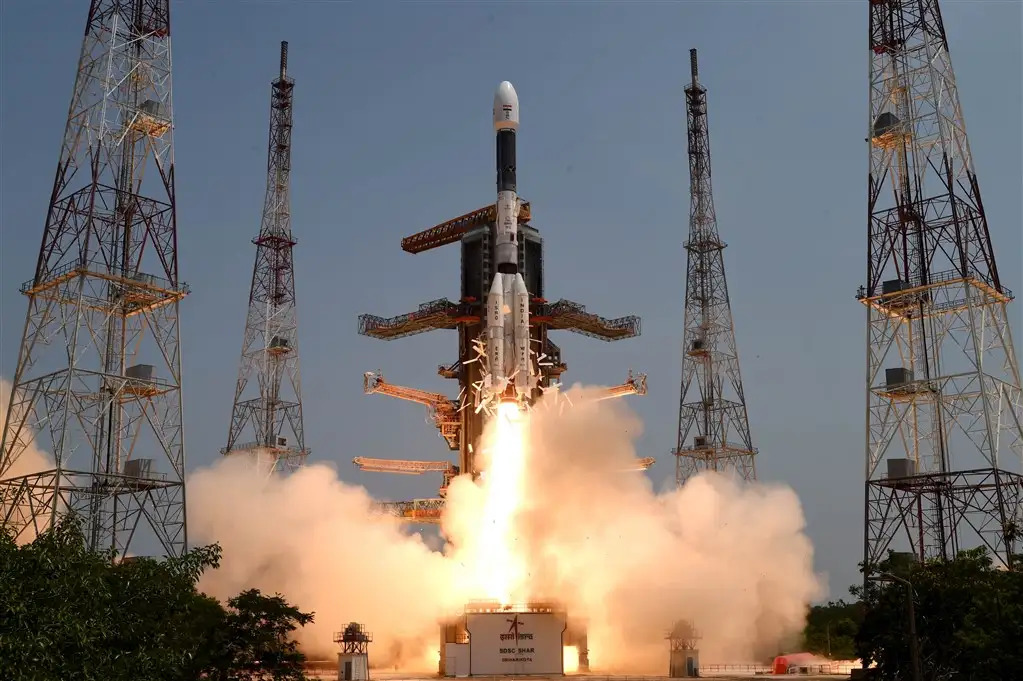
GSLV Mk II | IRNSS-1L (NVS-03)
This is a replacement satellite for the Indian Regional Navigation Satellite System. The constellation will provide India with an alternative to GPS and will be used for military and civilian use. Located at a geosynchronous orbit, the system will be operated by the Indian government.
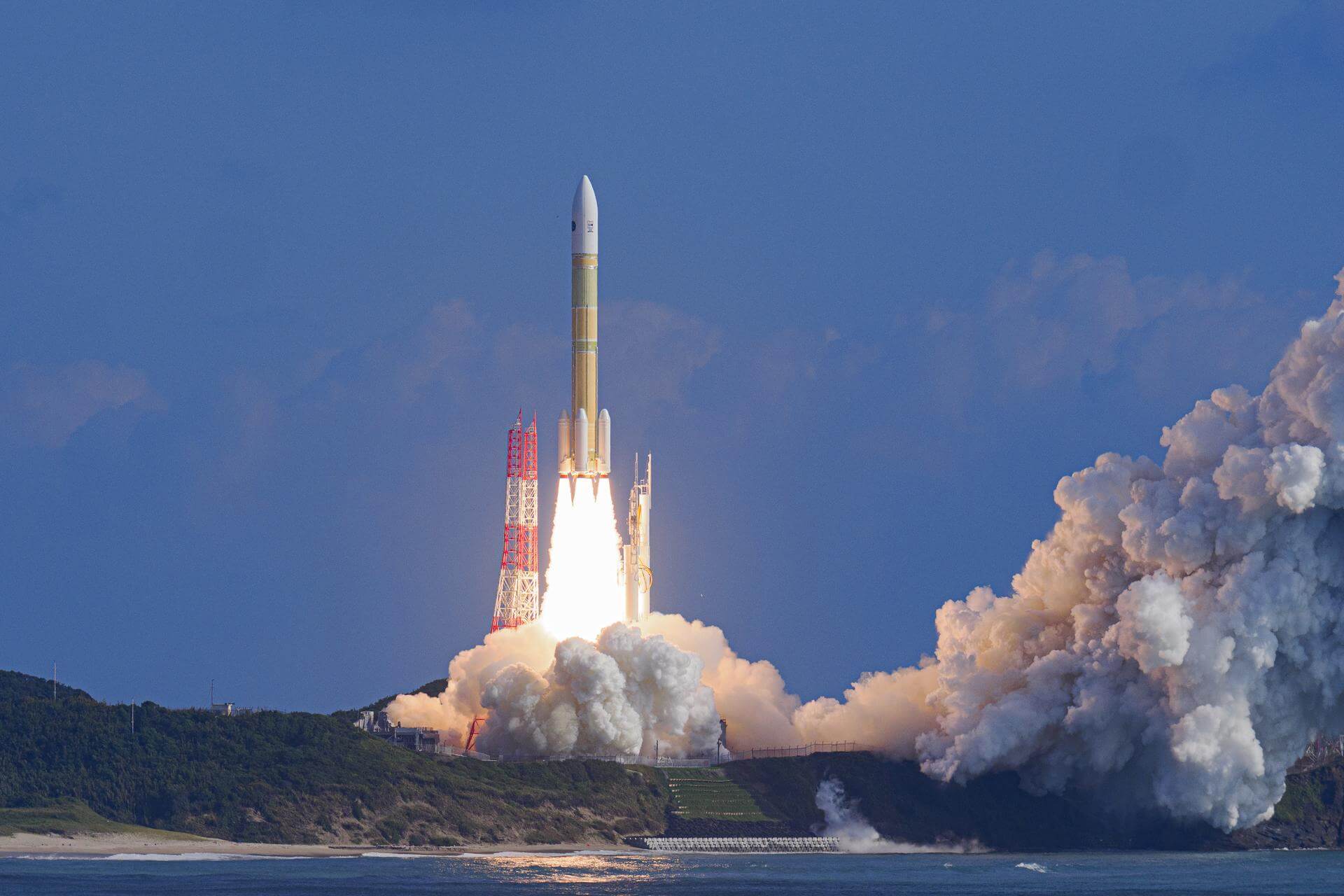

H3-24 | Martian Moon eXplorer (MMX)
MMX is a Japanese scientific mission to land on Phobos, one of the two moons of Mars, to collect samples before bringing them back to Earth. The mission includes a small French/German rover to explore the surface of Phobos.
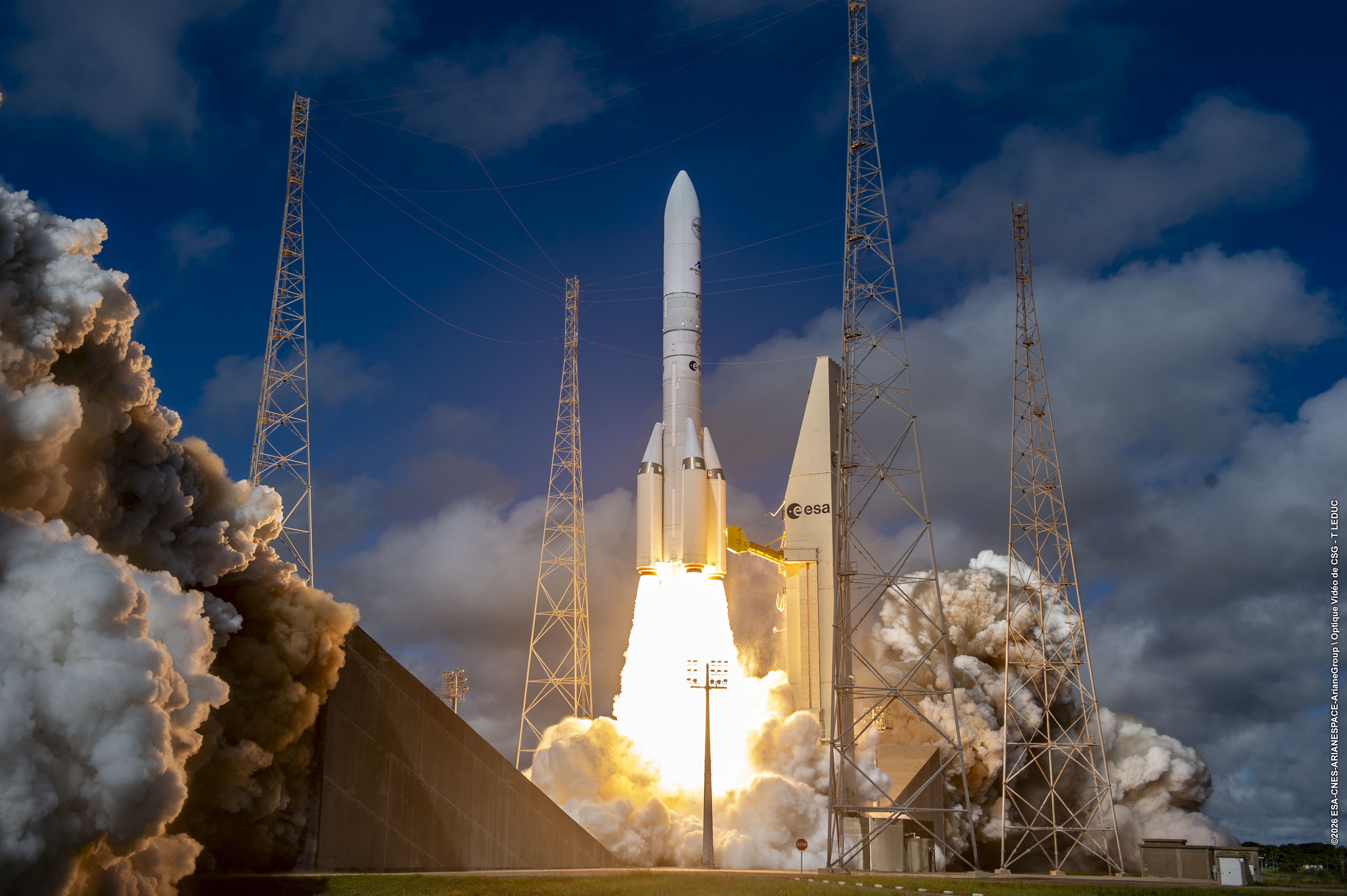

Ariane 64 Block 2 | Amazon Leo (LE-04)
Amazon Leo, formerly known as Project Kuiper, is a mega constellation of satellites in Low Earth Orbit that will offer broadband internet access, this constellation will be managed by Kuiper Systems LLC, a subsidiary of Amazon. This constellation is planned to be composed of 3,276 satellites. The satellites are projected to be placed in 98 orbital planes in three orbital layers, one at 590 km, 610 km and 630 km altitude. 35-40 satellites will be carried on each Ariane 6 launch.
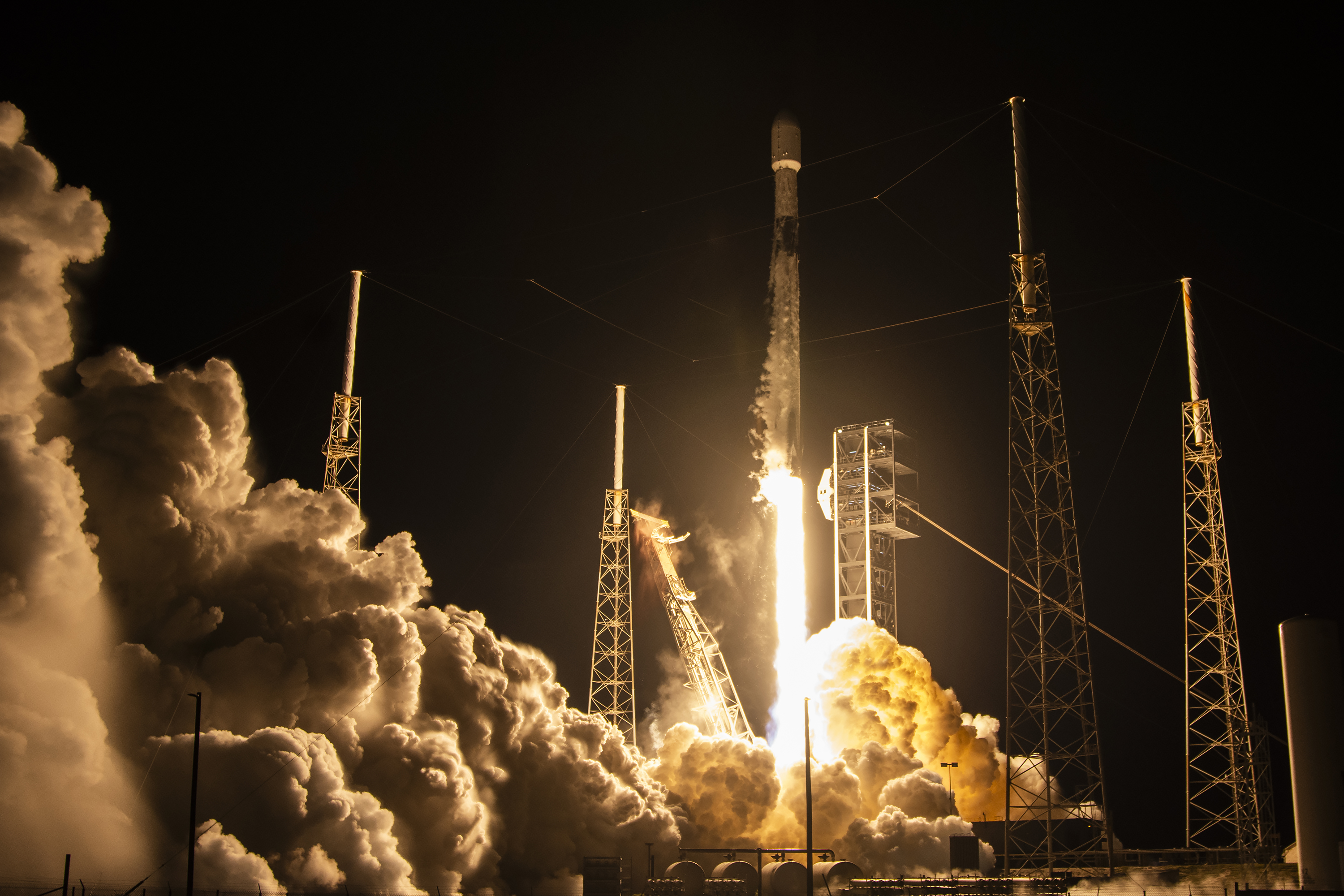
Falcon 9 Block 5 | Bandwagon 5 (Dedicated Mid-Inclination Rideshare)
Dedicated rideshare flight to a mid-inclination orbit with dozens of small microsatellites and nanosatellites for commercial and government customers.

Falcon 9 Block 5 | Dragon CRS-2 SpX-35
35th commercial resupply services mission to the International Space Station operated by SpaceX. The flight will be conducted under the second Commercial Resupply Services contract with NASA. Cargo Dragon 2 brings supplies and payloads, including critical materials to directly support science and research investigations that occur onboard the orbiting laboratory.
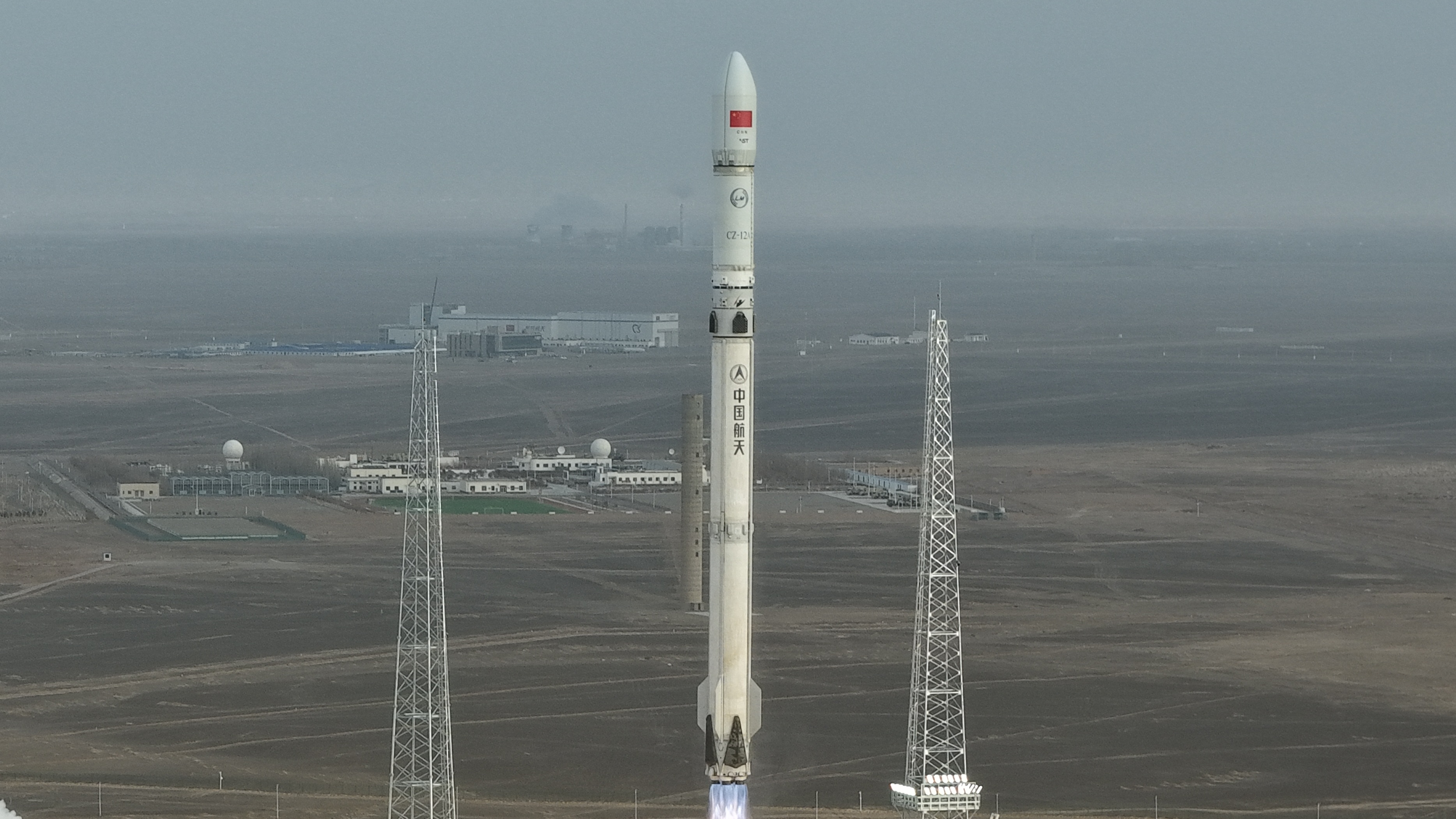

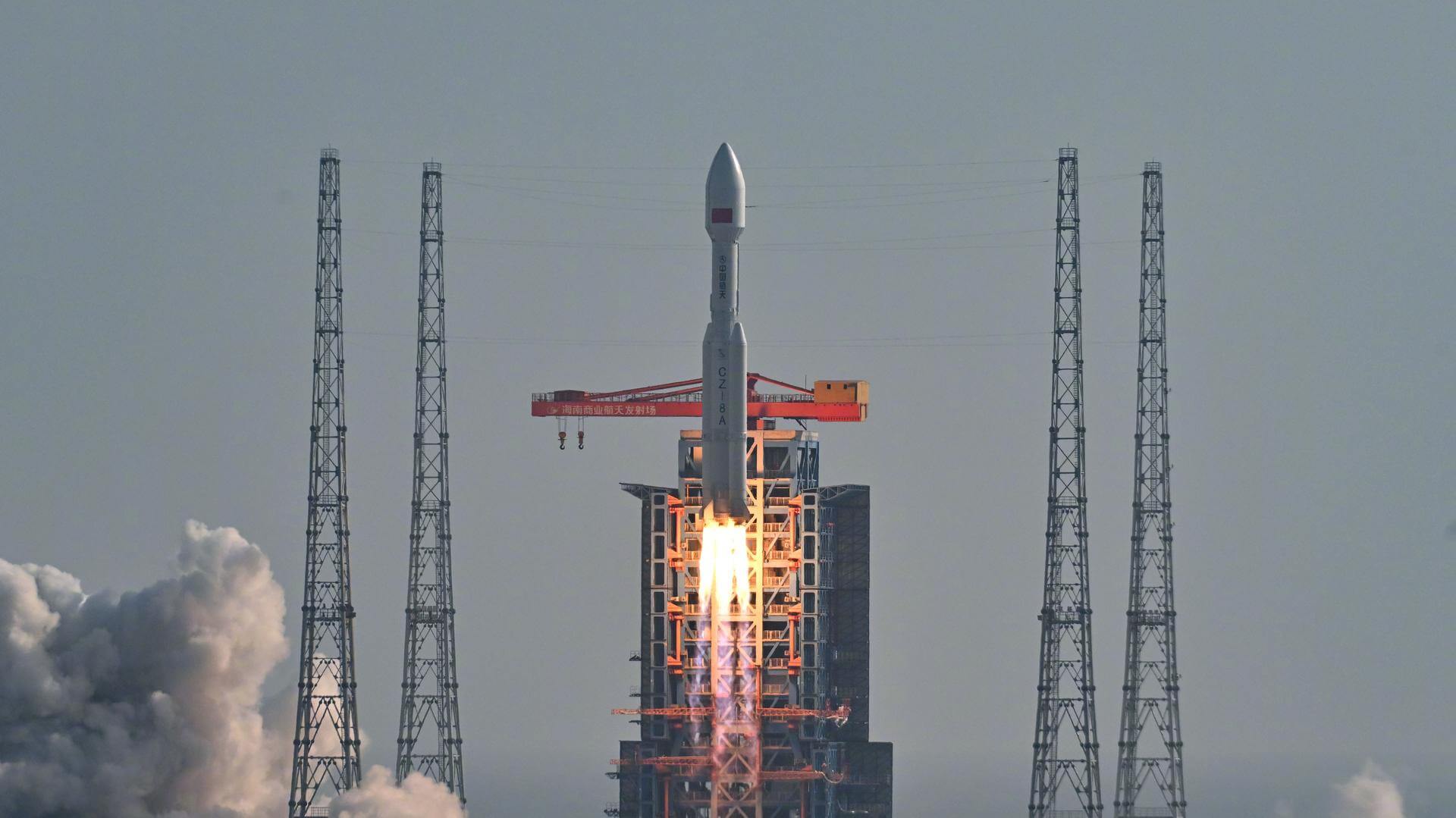
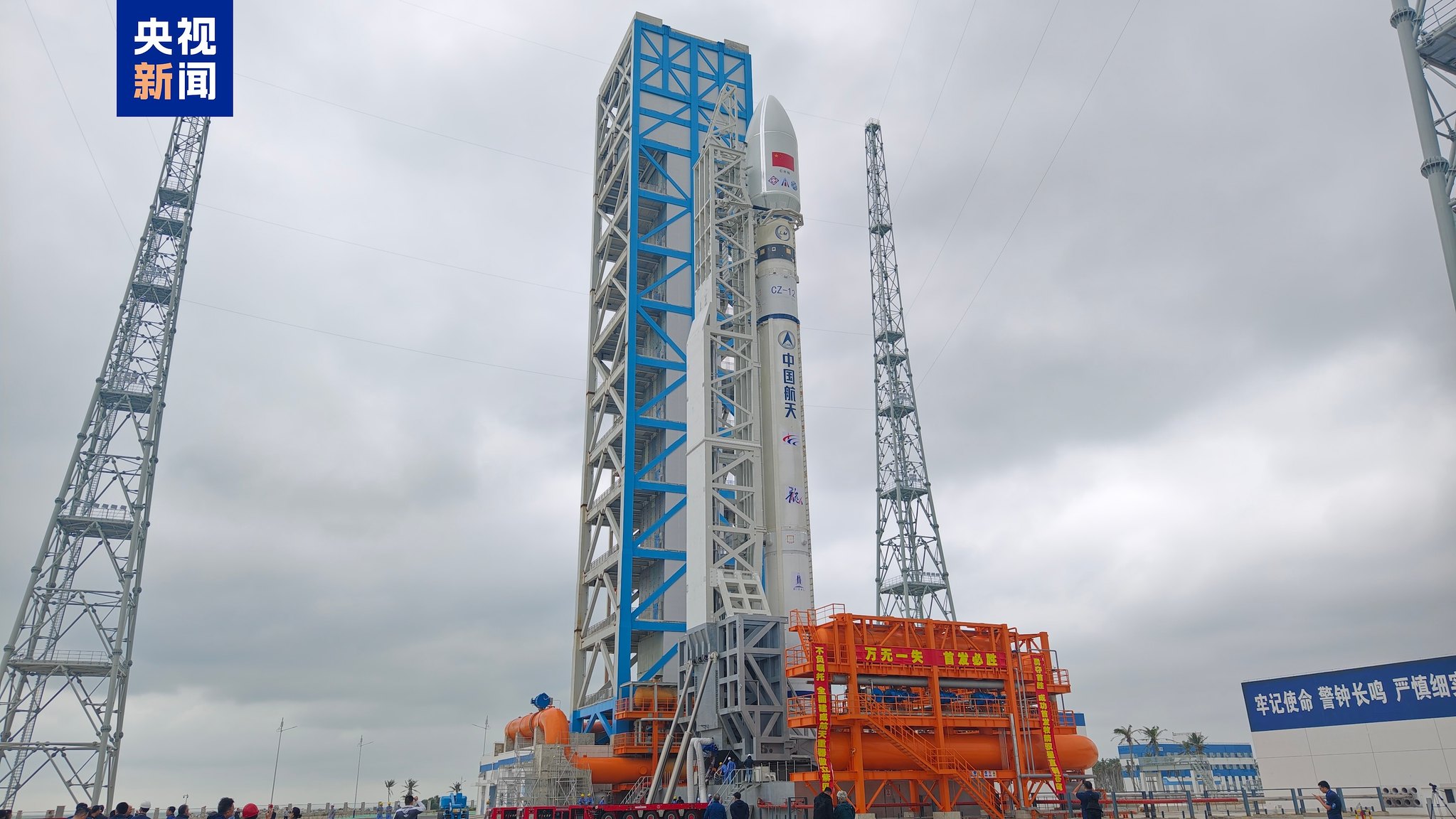
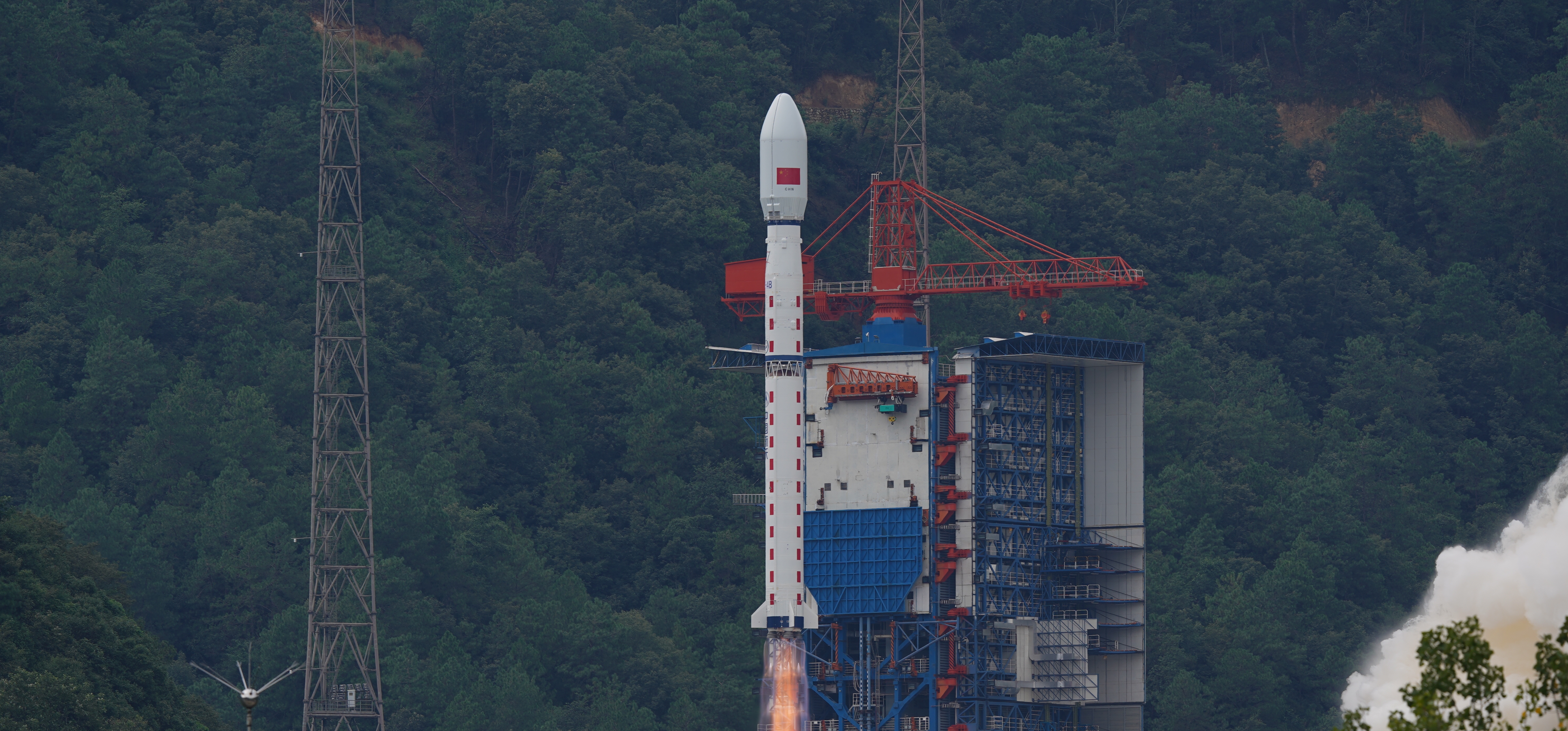
Long March 12A | Flight 2
Second test launch of CASC/SAST’s Long March 12A rocket. Payload identities are TBD.
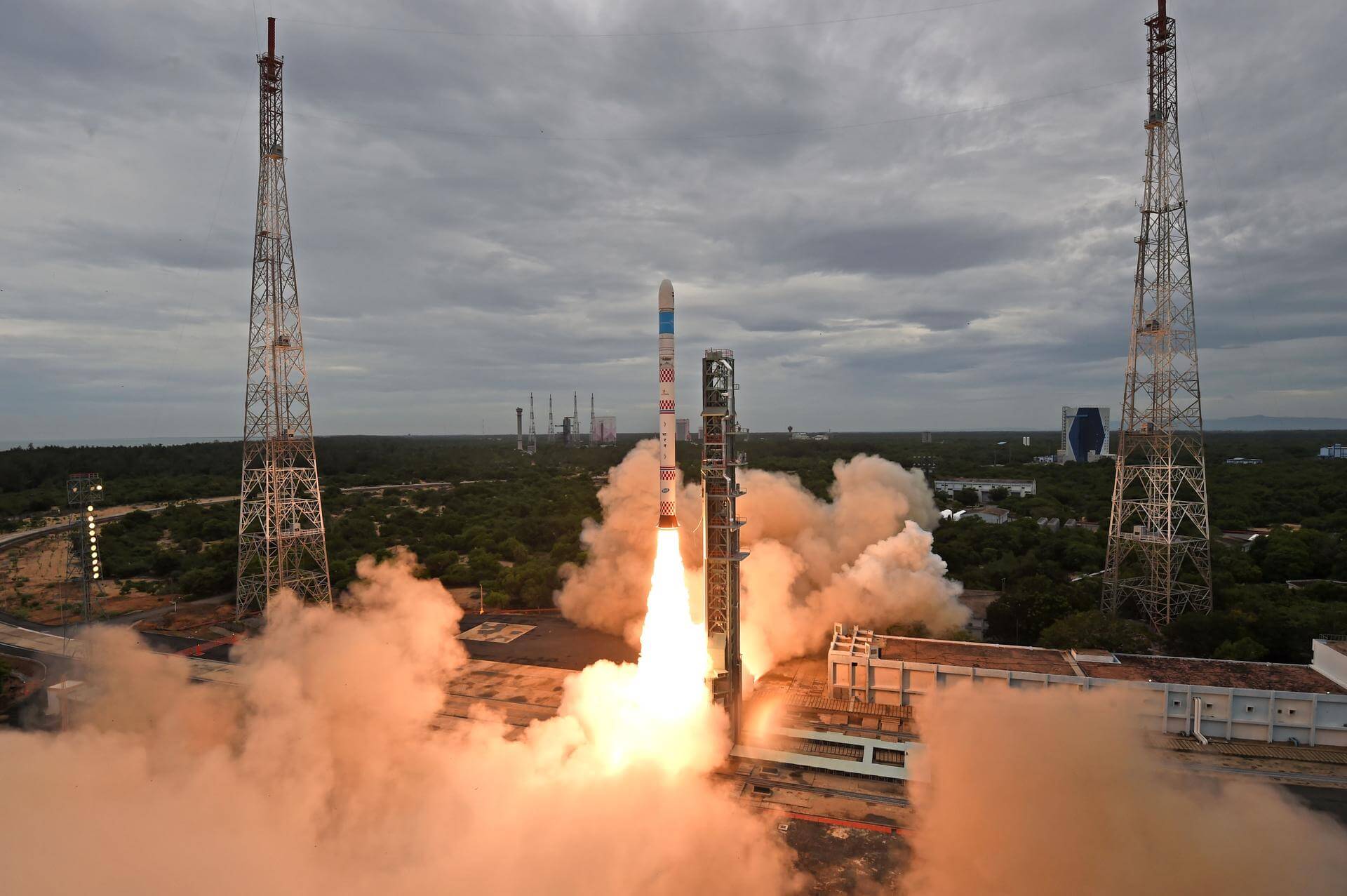
SSLV | AayulSAT-1A & others
Ride-share launch of multiple satellites, including the in-orbit refueling demonstration satellite AayulSAT-1A from OrbitAID Aerospace. Other payload's identities TBD.
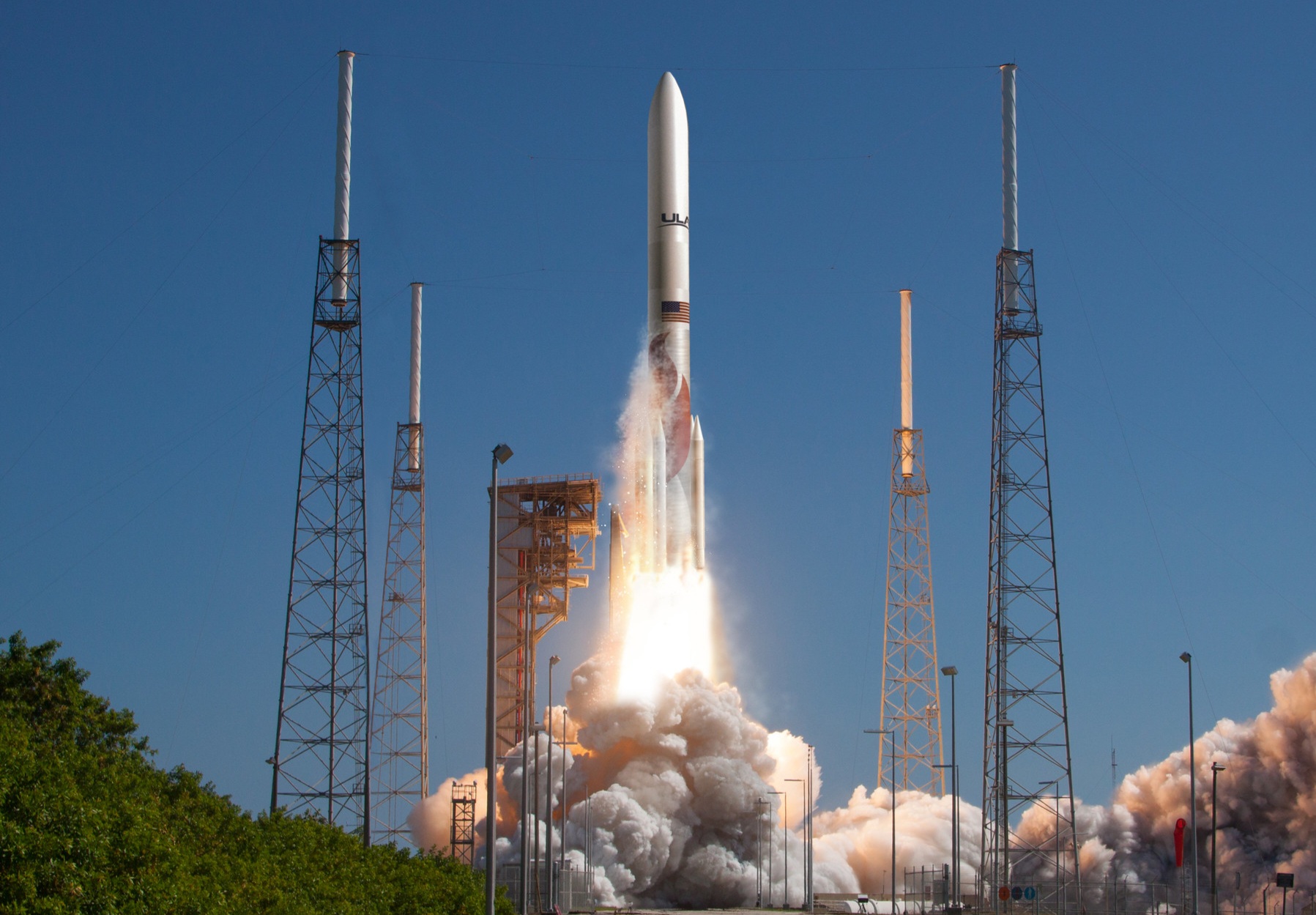

Vulcan VC6L | Amazon Leo (LV-01)
Amazon Leo, formerly known as Project Kuiper, is a mega constellation of satellites in Low Earth Orbit that will offer broadband internet access, this constellation will be managed by Kuiper Systems LLC, a subsidiary of Amazon. This constellation is planned to be composed of 3,276 satellites. The satellites are projected to be placed in 98 orbital planes in three orbital layers, one at 590 km, 610 km and 630 km altitude. 45 satellites will be carried on each Vulcan launch.
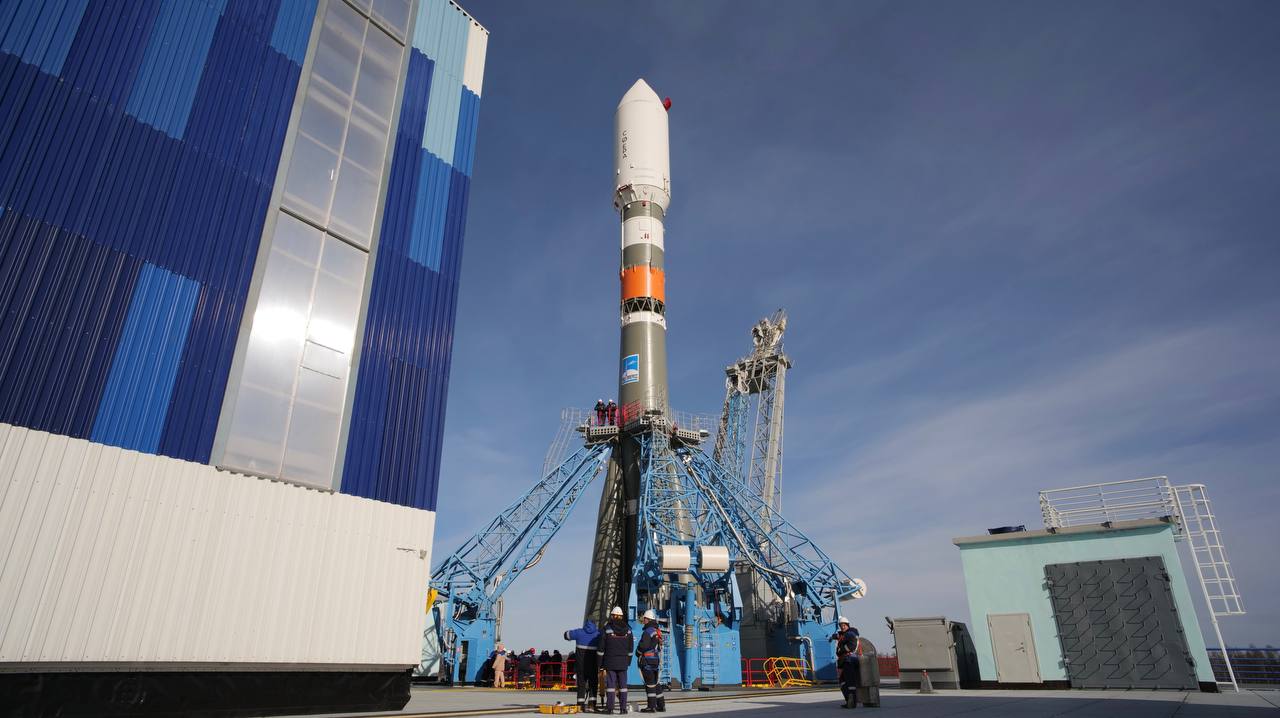

Soyuz 2.1b | Progress MS-36 (97P)
Progress resupply mission to the International Space Station.
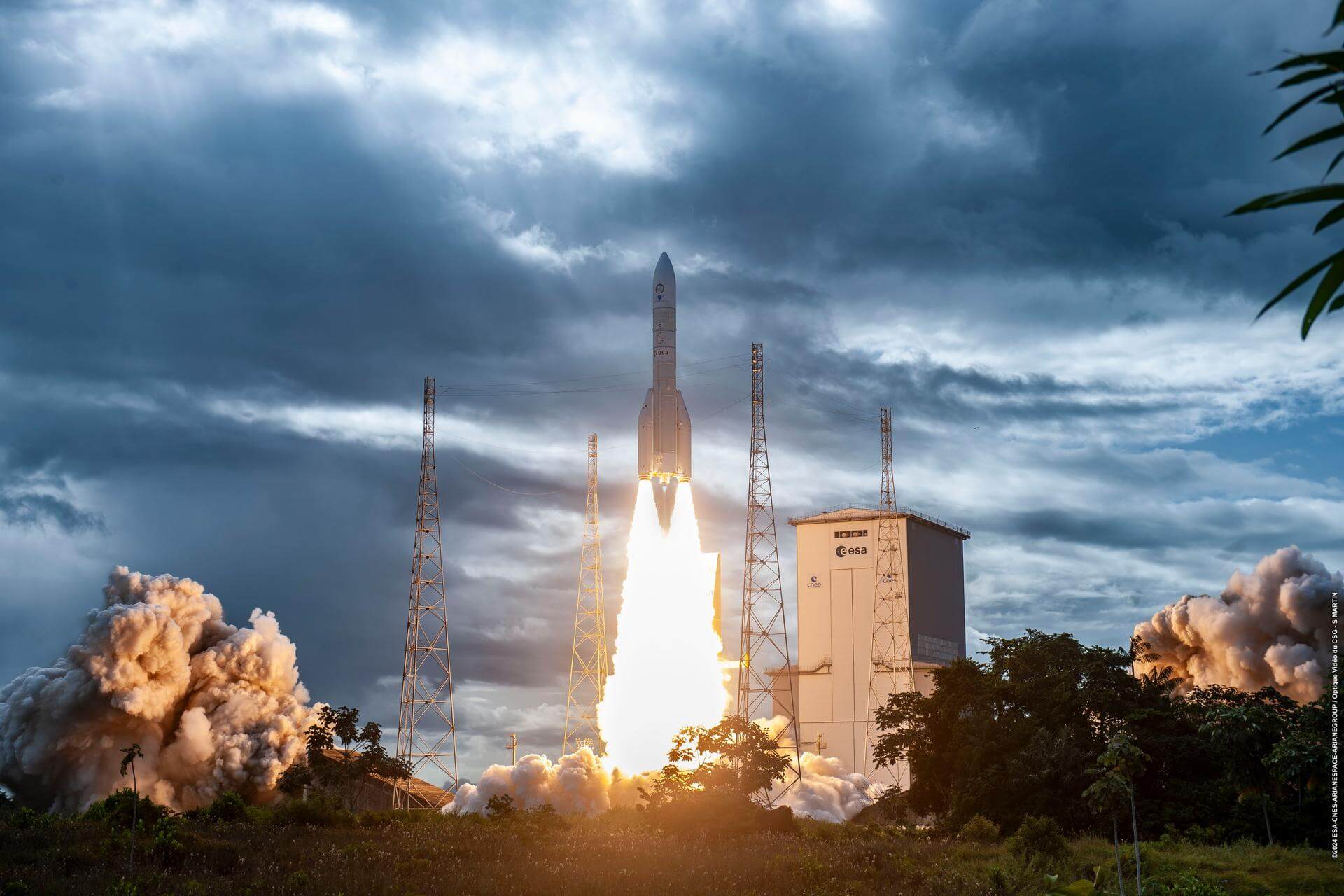
Ariane 62 | Metop-SG B1
Second of EUMETSAT's second generation of Metop weather satellites.
Falcon Heavy | Griffin Mission One
Demonstration flight of the Astrobotic Griffin lander and its engines, initially contracted for the cancelled NASA VIPER (Volatiles Investigating Polar Exploration Rover) mission. The vacated payload spot will now host the FLIP (FLEX Lunar Innovation Platform) lunar rover from Astrolab.
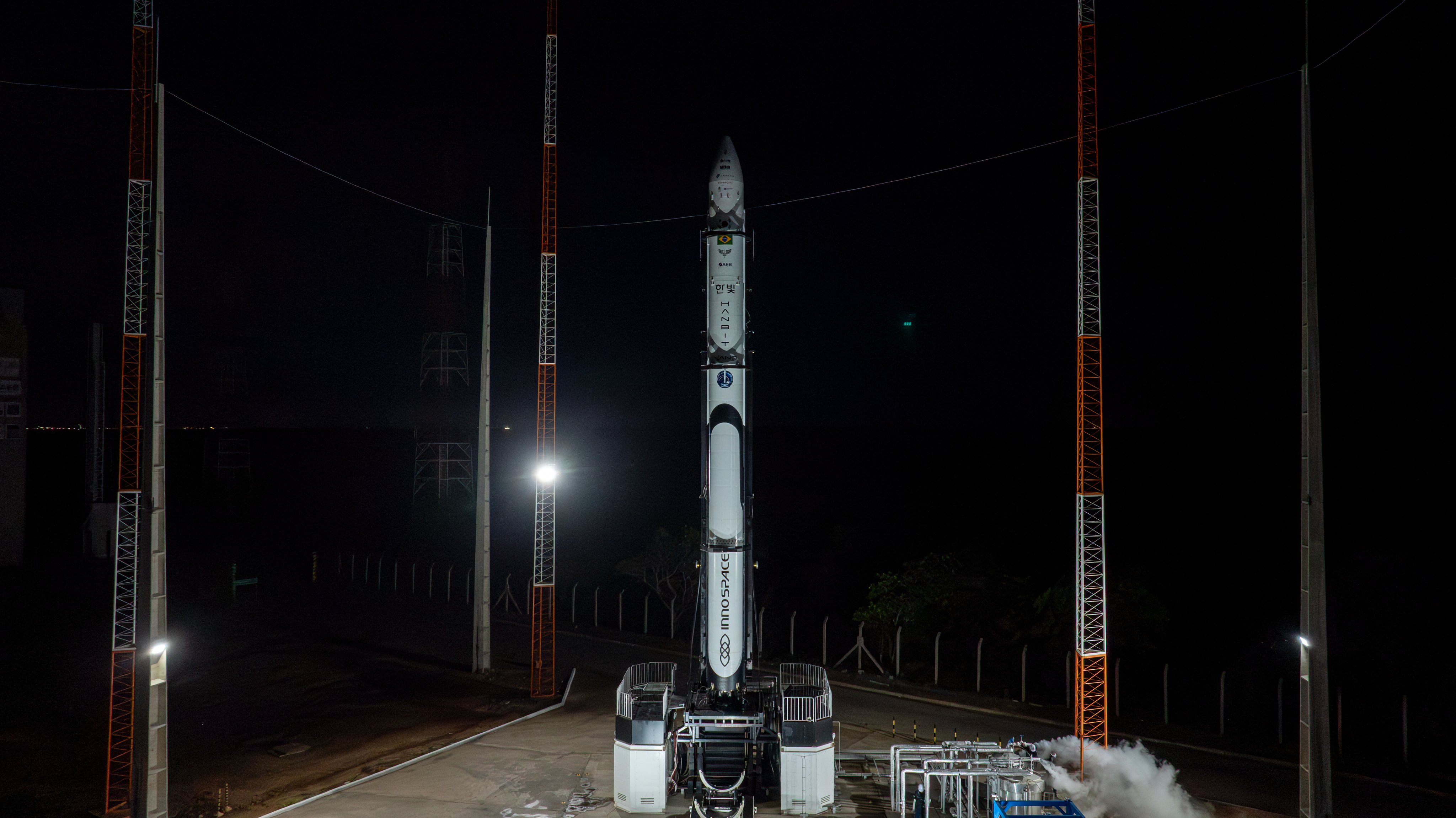

HANBIT-Nano | InnoSat-0
Innospace's first in-house test satellite, 'InnoSat-0', will test various technologies for future development of satellites by Innospace themselves. The satellite will be deployed using Korean company SpaceBey’s specialized deployer.
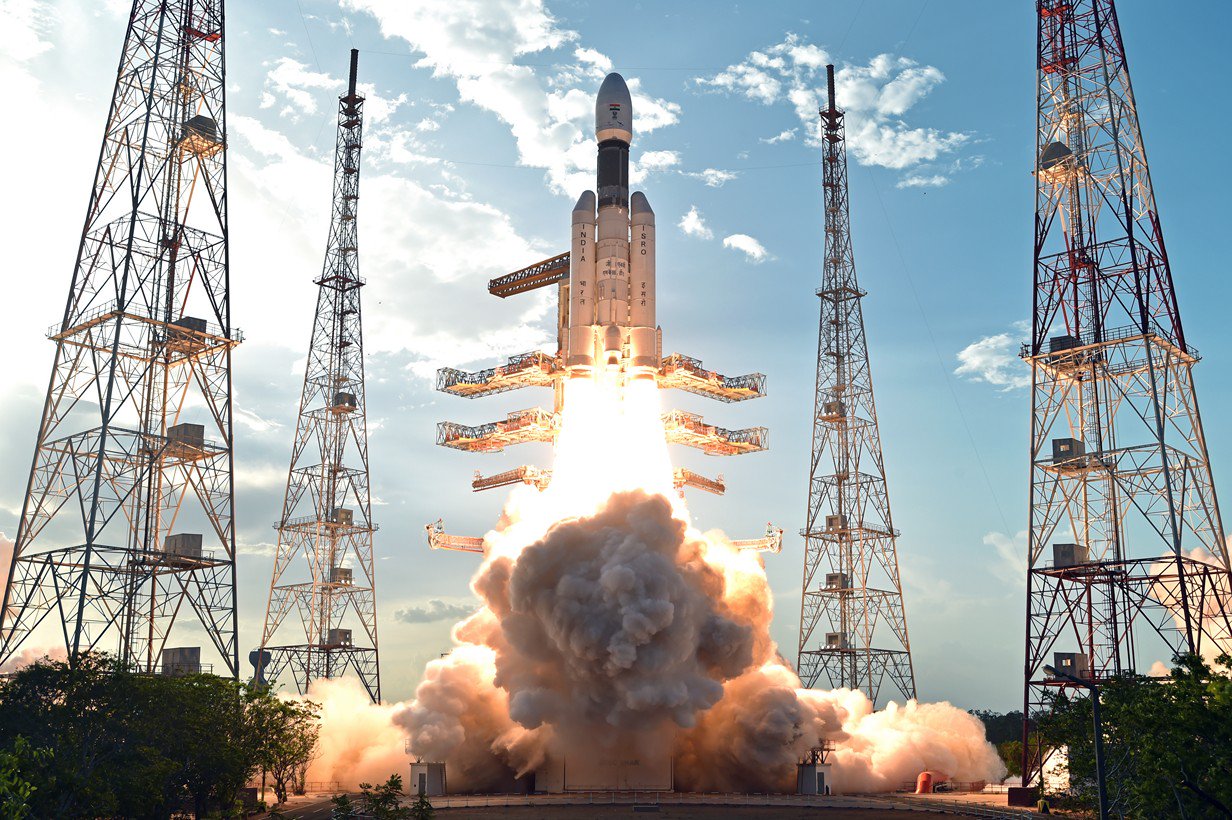
LVM-3 | Gaganyaan-1
First uncrewed orbital test flight of the Gaganyaan capsule.
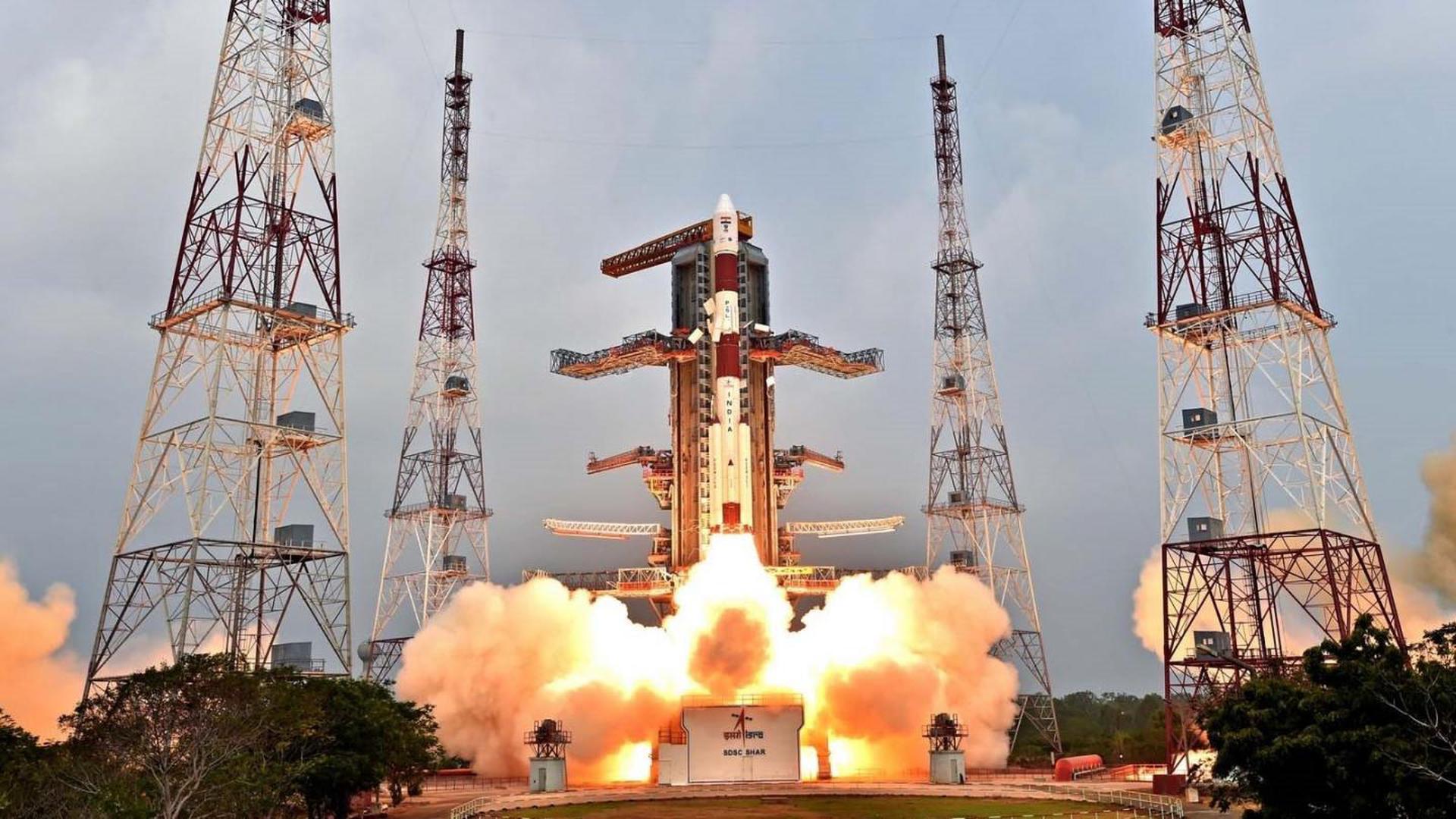
PSLV-XL | TDS-01
TDS-01 (Technology Demonstration Satellite-01) is an Indian geostationary orbit technology demonstration satellite carrying payloads for the Indian Space Research Organisation (ISRO)’s Institute of Plasma Research, Gandhinagar and the CSIR-CEERI, Pilani. Payloads to be tested included an internally developed 300 mN electric powered thrusters, atomic clocks, travelling wave tube amplifiers (TWTA) & a quantum communication suite (QuTDS).
Falcon 9 Block 5 | Cygnus CRS-2 NG-25
This is the 25th flight of the Orbital ATK's uncrewed resupply spacecraft Cygnus and its 24th flight to the International Space Station under the Commercial Resupply Services contract with NASA.
Falcon 9 Block 5 | SDA Tranche 2 Transport Layer D
Classified mission launched by the Space Development Agency (SDA) for Tranche 2 Transport Layer.
Falcon 9 Block 5 | SDA Tranche 2 Transport Layer E
Classified mission launched by the Space Development Agency (SDA) for Tranche 2 Transport Layer.
Falcon 9 Block 5 | Telesat Lightspeed 1
Up to 18 satellites manufactured by MDA for Canadian satellite operator Telesat's Lightspeed constellation.
LVM-3 | GSAT-32 (GSAT-N3)
GSAT-32 is a geostationary communications satellite for the Indian Space Research Organization (ISRO). The spacecraft is a replacement for GSAT-6A that failed before reaching geostationary orbit after launch in 2018.
Ariane 62 | Galileo L15 (FOC FM28 & FM31)
Payload consists of two satellites for Europe's Galileo navigation system.
Agentury & firmy
Organizace s nadcházejícími starty
Poslední starty
Nedávno proběhlé mise